

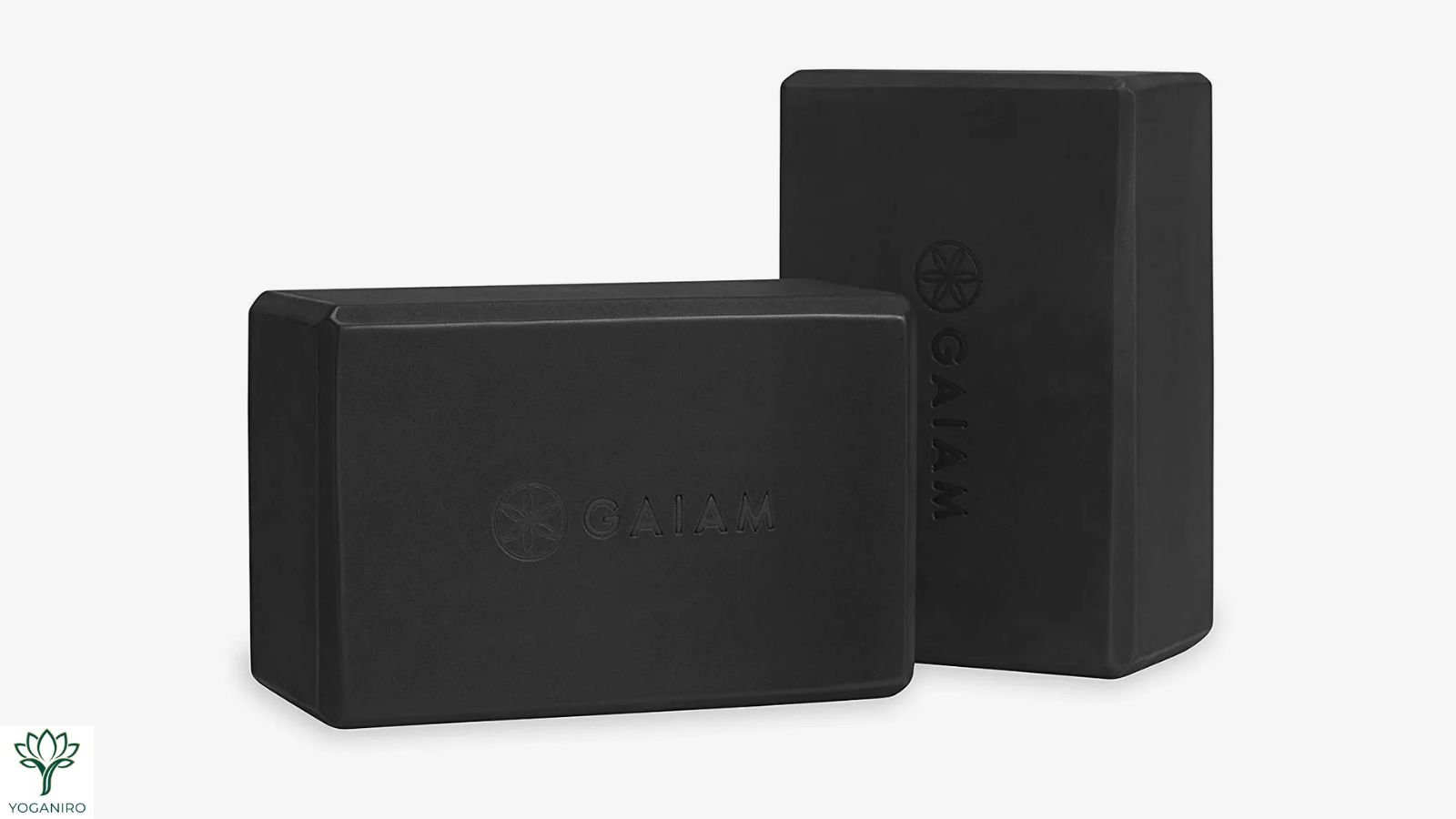
Choosing between 3 inch vs 4 inch yoga blocks starts with one practical question: where do you need the support? A 3-inch block provides a lower lift when lying flat, while a 4-inch block adds an inch in that position. However, if both blocks measure 9 inches long and 6 inches wide, they offer the same 6-inch and 9-inch heights when rotated.
That means a thicker block is not automatically taller in every position. Your decision should also consider handling comfort, intended placement, material, and the complete product dimensions.
Quick answer: When comparing 3 inch vs 4 inch yoga blocks, choose a 3-inch model if its lower flat setting or narrower spacing suits your intended use. Choose a 4-inch model if you want more lift while the block rests on its broadest face. Neither size is automatically better for every beginner.
Research disclosure: This guide compares manufacturer specifications and published instructional resources. It is not a hands-on product review. Grip, comfort, compression, and load capacity have not been independently tested.
3 inch vs 4 inch yoga blocks: Quick Comparison
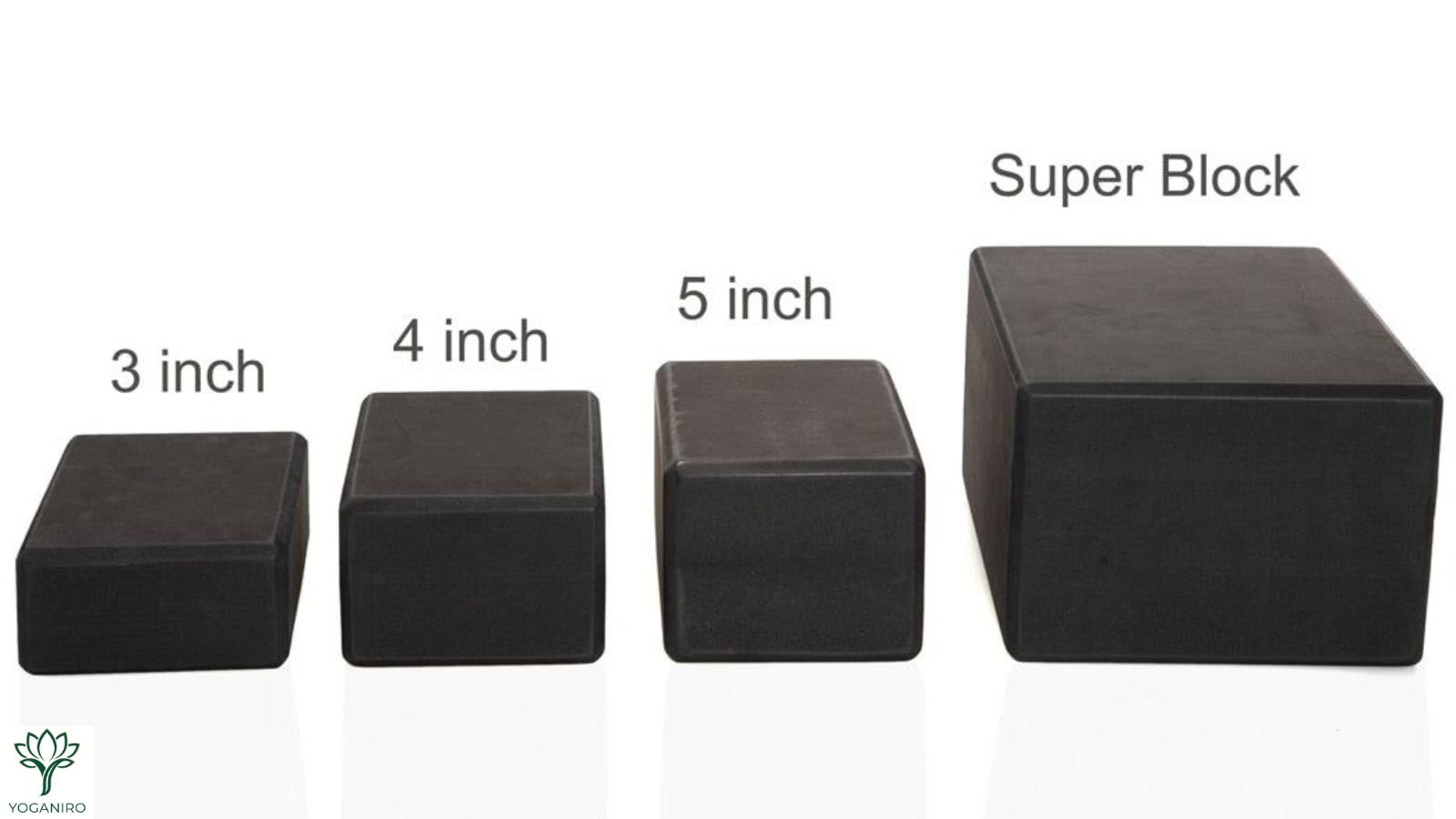
The comparison below applies specifically to rectangular blocks measuring 9 × 6 × 3 inches and 9 × 6 × 4 inches. Other models may have different dimensions.
| Feature | 3-inch block | 4-inch block |
|---|---|---|
| Lowest support height | 3 inches | 4 inches |
| Middle support height | 6 inches | 6 inches |
| Tallest support height | 9 inches | 9 inches |
| Base when lying flat | 9 × 6 inches | 9 × 6 inches |
| Base at middle height | 9 × 3 inches | 9 × 4 inches |
| Base at tallest height | 6 × 3 inches | 6 × 4 inches |
These are geometric calculations based on the dimensions documented in Hugger Mugger’s yoga block selection guide. They describe nominal dimensions, not measured performance under weight. www.huggermugger.com
The main takeaway from 3 inch vs 4 inch yoga blocks is simple: thickness changes the lowest height and the footprint at the two higher settings. It does not change the maximum height when both blocks are 9 inches long.
When Should You Choose a 3-Inch Yoga Block?
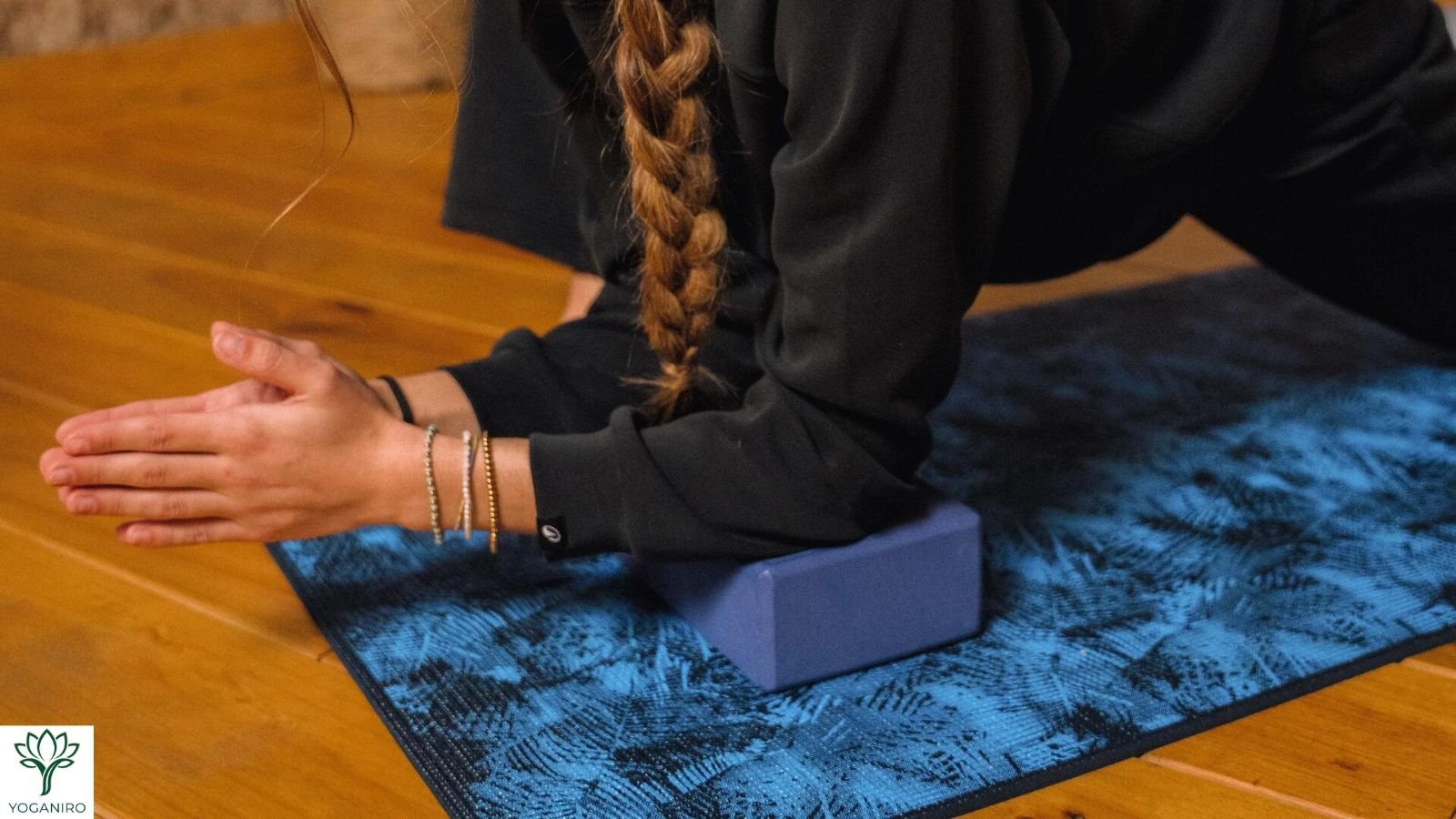
When weighing 3 inch vs 4 inch yoga blocks, consider the thinner option if your main priority is a lower flat setting or narrower spacing.
You Want a Lower Flat Setting
A 3-inch block offers a smaller lift from the floor while resting on its largest face.
This may suit a position where 4 inches feels too high. The useful question is whether the height fits the intended setup—not whether a lower block makes your practice look more advanced.
If you are following an instructor’s directions, check the actual height they mean. “Use the low setting” can describe different measurements on different blocks.
You Prefer Narrower Spacing
A narrower block may feel more comfortable for some grips or placements between the thighs.
Hugger Mugger discusses 3-inch blocks as an option when a 4-inch model feels too wide between the thighs in Mountain or Chair Pose. This is a practical fitting consideration rather than a universal rule for smaller people. www.huggermugger.com
Try the intended placement if possible. Your overall height does not tell you everything about the spacing you will prefer.
You Have Limited Storage Space
When length and width match, a 3-inch block occupies less space than a 4-inch block.
That may matter if you keep your props in a small drawer or carry them in a crowded bag. Measure the available space rather than assuming that a product labeled “small” will fit.
Limitation: A 3 × 6 × 9-inch block provides 3-, 6-, and 9-inch height options. Rotating it will not create a 4-inch setting.
When Should You Choose a 4-Inch Yoga Block?
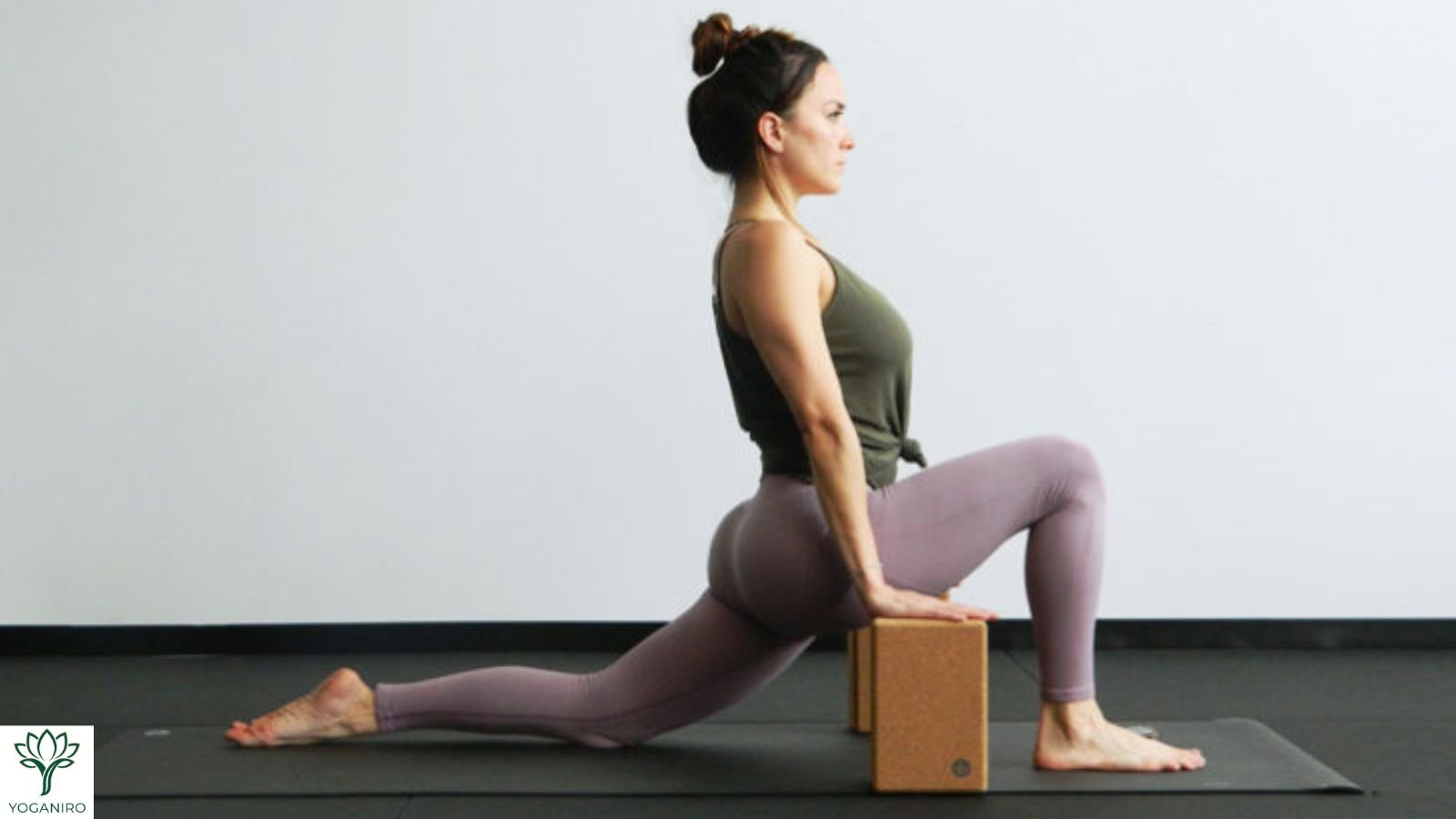
The thicker option in a 3 inch vs 4 inch yoga blocks comparison is worth considering when you specifically want more lift in the flat position.
You Need a 4-Inch Flat Support
A 4 × 6 × 9-inch block provides 4 inches of height while resting on its broad 9 × 6-inch face.
That is a distinct option between the 3-inch and 6-inch settings of the thinner model. If your intended setup calls for approximately 4 inches, the difference is directly relevant.
You Prefer a Wider Base at Raised Settings
At the tallest setting, the thicker block rests on a 6 × 4-inch base. The otherwise matching thinner block rests on a 6 × 3-inch base.
This describes the geometry only. It does not prove that every thicker block is steadier, firmer, or more suitable for supporting weight.
You Find the Shape Comfortable
A thicker block may suit some placements and feel awkward in others.
Check the specific grip or body contact you expect to use. A shape that feels comfortable beneath your palm may not feel equally comfortable between your thighs.
Limitation: A 4-inch block does not provide extra maximum height when its longest dimension is still 9 inches.
How to Choose the Right Size for Your Practice
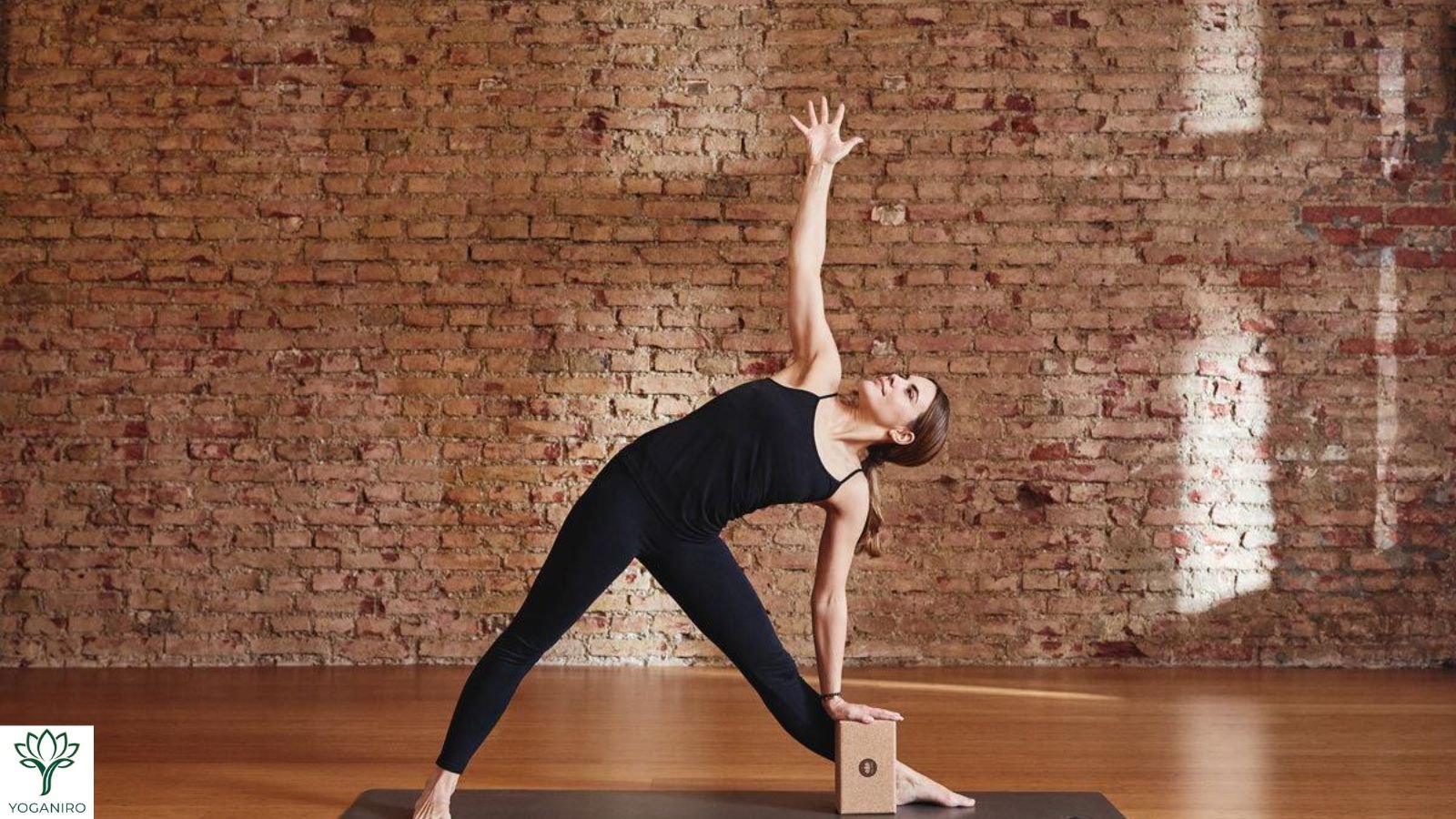
A useful way to approach 3 inch vs 4 inch yoga blocks is to compare your intended use first, then check the specifications of the actual products.
1. Match the Height to the Placement
For 3 inch vs 4 inch yoga blocks, start by identifying where the block will go:
- Beneath one hand.
- Beneath both hands as part of a pair.
- Between the thighs as a spacer.
- Beneath the seat for additional height.
Each placement raises a different question about height, spacing, and comfort.
In Triangle Pose, for example, changing block orientation adjusts the height beneath the lower hand. Hugger Mugger’s guide to using yoga blocks describes choosing among these positions. Avoid forcing a lower setting simply to get closer to the floor. www.huggermugger.com
2. Distinguish Palm Support From Gripping
Handling 3 inch vs 4 inch yoga blocks can feel different depending on whether your palm rests on top or your fingers wrap around the block.
With matching 9 × 6-inch faces, both provide the same nominal upper surface when lying flat. The thickness difference becomes more relevant when gripping around them.
Look at edge shape as well as size. Product photographs may help you understand the shape, but they cannot establish how comfortable it will feel in your hand.
3. Compare Material Separately
Choosing between 3 inch vs 4 inch yoga blocks does not settle the question of material.
Check the actual product’s:
- Material.
- Listed weight.
- Intended uses.
- Surface and edge design.
- Cleaning and storage instructions.
Do not assume that a thinner cork block will weigh less than a thicker foam block. Compare the listed figures instead.
For examples of prop use in standing practice, see Yoganiro’s yoga poses for balance guide. Its block section discusses positioning support before transferring weight onto it. yoganiro.com
4. Decide Whether You Need One Block or Two
When shopping for 3 inch vs 4 inch yoga blocks, check whether the price covers a single block or a pair.
Some setups use one block, while others place one beneath each hand. Matching models simplify the task of choosing equal nominal heights.
For example, JadeYoga’s cork blocks are listed as sold individually. Do not assume that a photograph showing multiple blocks represents the package quantity. jadeyoga.com
Check Actual Product Dimensions Before Buying
A general 3 inch vs 4 inch yoga blocks comparison can become misleading if it assumes that all models share the same length and width.
“Small,” “large,” and “lean” are product labels, not universal measurements.
| Product | Dimensions, longest to shortest | Nominal height options |
|---|---|---|
| JadeYoga Small Cork Block | 9 × 4.75 × 3 inches | 3, 4.75, or 9 inches |
| JadeYoga Large Cork Block | 9 × 6 × 4 inches | 4, 6, or 9 inches |
| Manduka Cork Yoga Block | 9 × 6 × 4 inches | 4, 6, or 9 inches |
| Manduka Lean Cork Yoga Block | 8.6 × 4.3 × 2.75 inches | 2.75, 4.3, or 8.6 inches |
Manufacturer specifications checked September 25, 2026. Height options are calculated from the listed dimensions. These examples are not tested product rankings. jadeyoga.com
JadeYoga’s smaller model changes both thickness and width. Its middle height is 4.75 inches, rather than the 6 inches shown in the general comparison.
Manduka’s Lean model changes all three dimensions. At 2.75 inches thick, it should not be presented as an exact 3-inch block.
For an accurate 3 inch vs 4 inch yoga blocks decision, compare the specifications of the models in your cart.
A Simple Buying Checklist
Before purchasing 3 inch vs 4 inch yoga blocks, work through these five checks:
- Name your main uses. Identify two or three placements you expect to practice.
- Write down all three dimensions. These determine the nominal heights available when you rotate the block.
- Check material and weight. Compare actual listings rather than relying on size alone.
- Confirm package quantity. Work out the total cost if you need two matching blocks.
- Read the current return policy. Check whether trying the product affects your ability to return it.
If you can borrow blocks during a class, compare both sizes in the intended setup. Ask the instructor for help if you are unsure how to position them.
Common Buying Mistakes to Avoid
The most useful 3 inch vs 4 inch yoga blocks comparison prevents these simple mistakes:
- Assuming thicker always means taller. Check the longest dimension and all available orientations.
- Choosing by beginner status alone. Intended use and fit matter.
- Confusing dimensions with performance. A wider base does not establish a tested load capacity.
- Treating different materials as equivalent. Size alone does not describe weight or firmness.
- Buying mismatched blocks unintentionally. Identical size labels can hide different measurements.
- Expecting a researched guide to be a product test. Manufacturer specifications cannot establish personal comfort or real-world grip.
Frequently Asked Questions
Which Size Is Better for Beginners?
For beginners comparing 3 inch vs 4 inch yoga blocks, neither size is automatically better. A 3-inch block provides a lower flat setting; a 4-inch block provides more lift in that position.
Choose according to the support height and placement you need. If you are unsure about using props in a pose, ask a qualified instructor for guidance.
Which Size Is Better for Small Hands?
When comparing 3 inch vs 4 inch yoga blocks for small hands, consider how you will hold the block. A narrower shape may feel easier to grip, but edge design and material also affect comfort.
If your palm simply rests on the broad face of otherwise matching models, the nominal contact surface is the same size.
Can I Use the Two Sizes Together?
If you already own 3 inch vs 4 inch yoga blocks, check their complete dimensions before using them as a pair.
Models measuring 9 × 6 × 3 and 9 × 6 × 4 inches can provide matching 6-inch or 9-inch heights. Their flat heights differ.
Equal height does not guarantee equal compression or stability. Matching models are the simpler choice when you want consistent support beneath both hands.
Does a Thicker Block Hold More Weight?
Thickness alone does not establish load capacity.
Follow the manufacturer’s instructions and any published limits for the specific product. No load-capacity figures were verified for this guide, so do not infer a weight limit from the block’s dimensions.
Can a Yoga Bolster Replace a Block?
Do not treat a soft bolster as a replacement for a stable block beneath a weight-bearing hand. Yoganiro’s balance guide distinguishes these uses. yoganiro.com
For broader cushioned support during resting positions, explore Yoganiro’s guide to yoga bolsters and their uses.
Final Thoughts
The choice between 3 inch vs 4 inch yoga blocks comes down to the height and fit your intended setup needs. Start with the dimensions, then compare construction, handling comfort, and package quantity.
Before buying, identify two or three ways you expect to use your blocks. If possible, try both sizes in a class. Choose the option that suits those placements rather than assuming that thicker, smaller, or more expensive automatically means better.

Yoganiro was founded by Abdul Rehman with a passion for yoga, wellness, and mindful living. The goal behind Yoganiro is to inspire people through simple yoga practices, wellness tips, and healthy lifestyle content that promotes balance, peace, and overall well-being.