
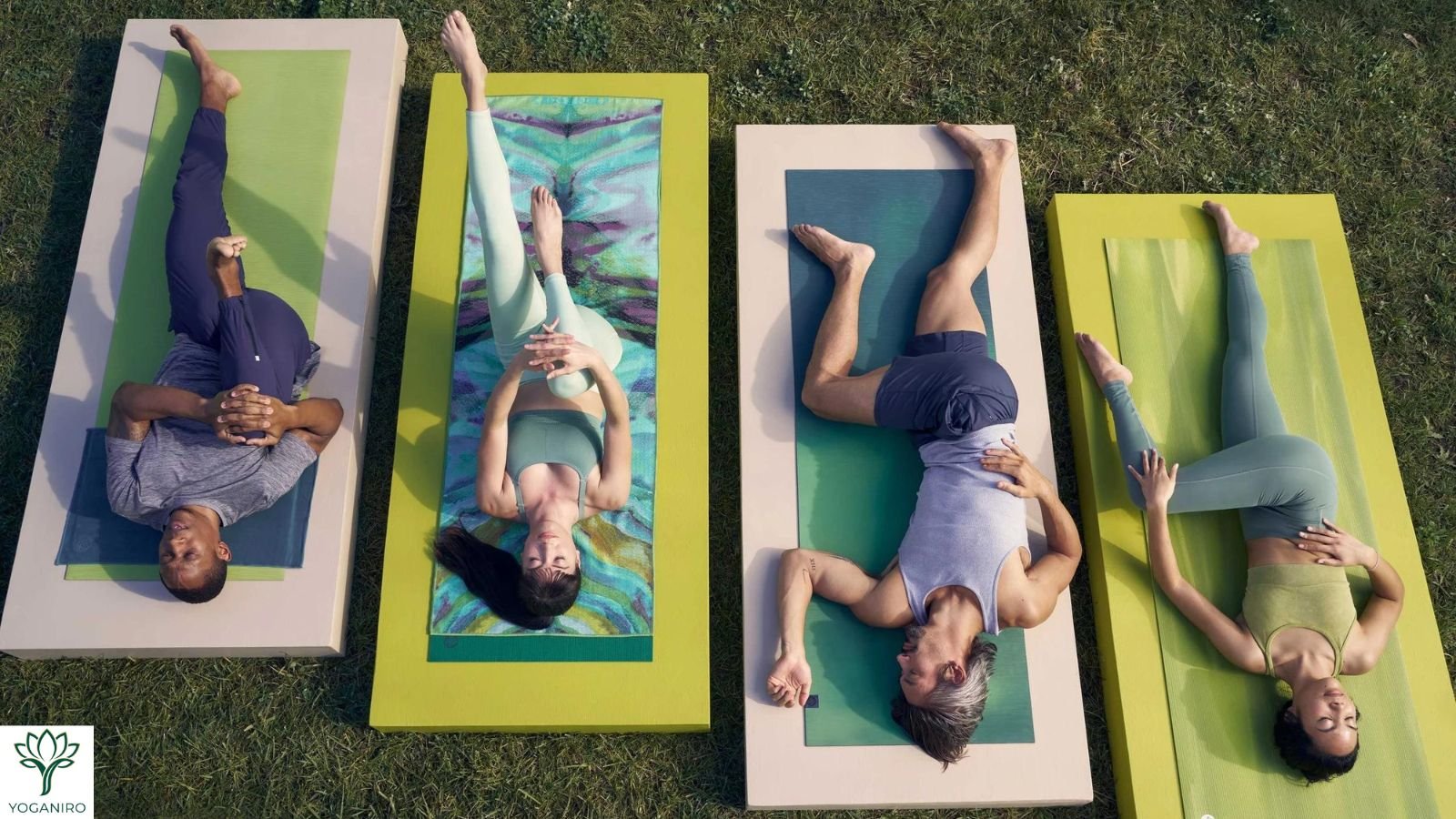
The best yoga mats do something quietly remarkable. They hold you still when you want to be still, and they move with you when you flow. You stop thinking about the floor. Your breath drops. Your practice opens up.
A good mat is also the foundation for everything yoga gives back. Regular practice improves strength, balance, and flexibility, according to Johns Hopkins Medicine, and consistent practice can even improve your everyday posture. The right surface lets you chase those benefits without fighting your equipment. To find the best yoga mats of 2026, we compared the most respected picks from expert reviewers and manufacturers on the qualities that matter most: grip, cushioning, material, and durability.
Quick Answer For most practitioners, the Manduka PRO ($144) is the best all-around yoga mat thanks to its dense cushioning and lifetime guarantee. For grip in sweaty practice, the Jade Harmony ($109.95) and Liforme Classic ($165) stand out. On a budget, the Gaiam Premium delivers real comfort for about $30. Most people are best served by a mat between 3 mm and 6 mm thick, chosen for their joints and their style.
Best yoga mat by need
Best overall: Manduka PRO
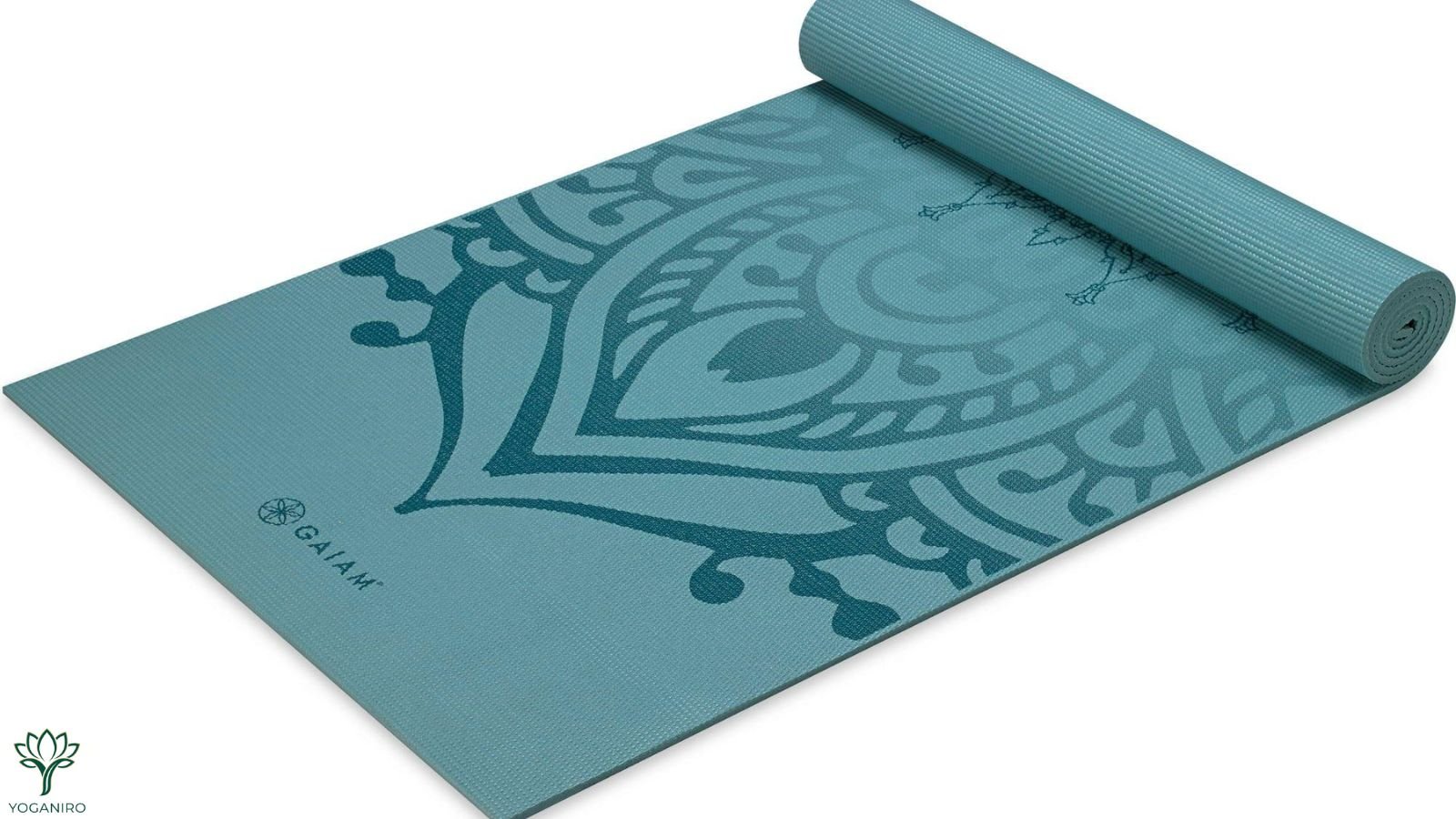
Best for beginners: Gaiam Premium
Best for hot yoga: Liforme Classic
Best for bad knees: Manduka PRO (6 mm, dense cushioning)
Best budget: Gaiam Premium
Best for travel: Manduka eKO Superlite
Best eco-friendly: 42 Birds “The Robin” (cork)
At-a-glance comparison
| Yoga Mat | Best For | Thickness | Material | Main Strength | Price (USD) |
|---|---|---|---|---|---|
| Manduka PRO | Overall | 6 mm | PVC (OEKO-TEX certified) | Durability | $144 |
| Jade Harmony | Grip / hot yoga | ~4.75 mm | Natural rubber | Traction | $109.95 |
| Liforme Classic | Sweaty practice | ~4.2 mm | Natural rubber + eco-PU | Wet grip | $165 |
| Gaiam Premium | Budget / beginners | 6 mm | PVC foam | Comfort | $29.98 |
| 42 Birds “The Robin” | Eco-friendly | 5 mm | Cork top | Lightweight | $92 |
| Manduka eKO Superlite | Travel | 1.5 mm | Natural rubber | Portability | $54 |
How we chose these mats
We built this guide by comparing trusted expert reviews and manufacturer documentation rather than marketing claims. Our sources include long-term testing from outlets like Wirecutter, Yoga Journal, and OutdoorGearLab, cross-checked against each brand’s published specs and prices. Where reviewers disagreed, we noted it instead of smoothing it over.
Our point of view at Yoganiro is simple. A mat is an investment in years of practice, not a throwaway accessory. So we weighted durability and grip more heavily than looks or price, because those two qualities shape how a mat feels on day one and on day one thousand.
What makes a yoga mat “the best”?
The best yoga mats balance four things: grip, cushioning, material, and durability. Get those right for your body and your style, and the rest is personal taste. Here’s what each one actually means on the mat.
Grip and traction
Grip is one of the most important qualities for most yoga practitioners, because a sliding hand in downward dog can end a pose before it begins. Traction comes from surface texture and material. Natural rubber tends to feel tacky and holds your hands and feet in place, while some polyurethane surfaces get grippier when wet, which helps in hot yoga. A common beginner mistake is buying a smooth, glossy mat that looks premium and then slipping through every sun salutation.
Material: natural rubber vs. PVC vs. cork vs. TPE
The best yoga mat material depends on what you value: grip, longevity, or a cleaner footprint. Natural rubber is often a strong choice when maximum traction is the priority, though it carries a rubber smell at first and isn’t latex-free. PVC (polyvinyl chloride) tends to be the most durable and long-lasting, and better versions are often OEKO-TEX Standard 100 certified for lower harmful-substance content. Cork offers a smooth surface that many practitioners prefer for warm practice, and it has documented antimicrobial properties. TPE and PER (Polymer Environmental Resin) are lighter, eco-friendly options, usually with a shorter lifespan than rubber or PVC.
Thickness and density
Thicker isn’t always better, and density often matters as much as thickness. Most yoga mats fall between 3 mm and 6 mm. Around 3 mm to 5 mm tends to be the sweet spot for balance and stability, while 6 mm and up adds more cushioning for sensitive knees and wrists — helpful since the Arthritis Foundation notes that comfortable, regular yoga can support joint flexibility. A dense 5 mm mat usually feels more supportive than a soft, spongy one that sinks to the floor when you kneel. For many beginners, roughly 4 mm to 5 mm is a comfortable thickness for a first yoga mat.
Durability, weight, and care
The best yoga mats should last years, not seasons, and durability is where cheap mats often fall short.Denser PVC and natural rubber mats generally outlast foam ones by a wide margin. Weight matters too. A 7-pound studio mat feels luxurious at home but heavy on a walk to class. A washable surface is more hygienic, especially if you sweat, since a mat you can wipe down stays fresher longer.
Best overall yoga mat: Manduka PRO
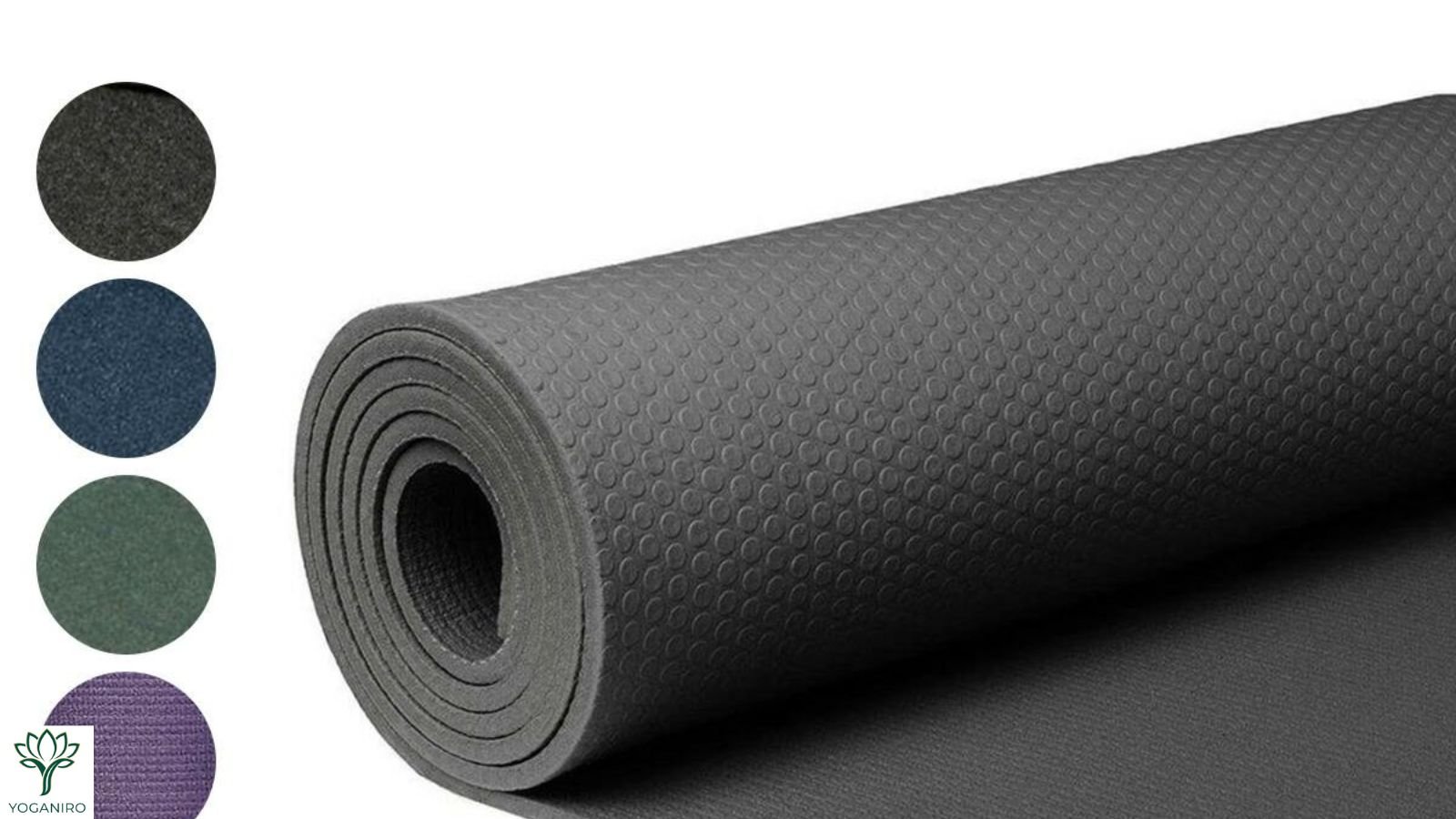
The Manduka PRO ($144 for the standard 71″ size) is our pick for the best overall yoga mat, thanks to its dense cushioning and a genuine lifetime guarantee (note: the guarantee covers personal use, not studio equipment use). At 6 mm, it offers a sturdy foundation for any practice without feeling mushy, and reviewers consistently praise how it resists wrinkling and sliding during quick transitions. Its closed-cell PVC surface seals out moisture and wipes clean easily.
There are two honest trade-offs. The PRO is heavy, so it suits a permanent home or studio spot better than a daily commute. And the surface can feel slick until it’s broken in, so many teachers suggest a light scrub or a few weeks of use before it reaches full grip. At this price, think of it as a once-a-decade purchase rather than a seasonal one.
Best budget yoga mat: Gaiam Premium
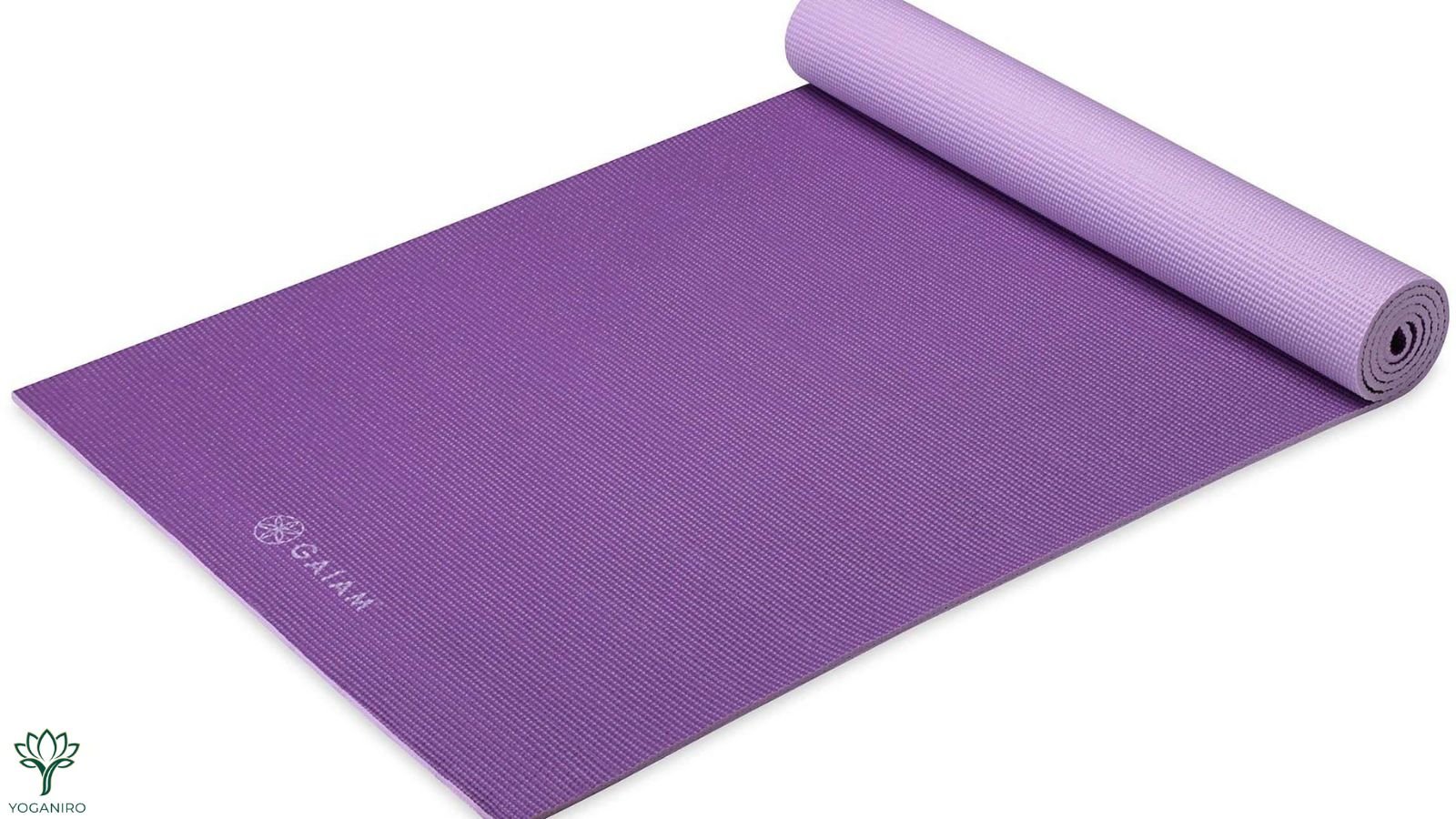
The Gaiam Premium (about $30) is our pick for the best budget yoga mat, delivering comfortable 6 mm cushioning for well under $40. For a beginner or an occasional practitioner, it’s a smart place to start. The foam feels easy on the knees, the designs are attractive, and you’re not risking much while you learn how often you’ll practice.
Be realistic about the limits. Foam mats like this compress more over time and won’t match the grip or lifespan of rubber or dense PVC. Still, as a first mat or a spare for guests, the Gaiam Premium offers honest value. If you practice several times a week, plan to upgrade within a year or two.
Best yoga mat for hot yoga: Liforme Classic and Jade Harmony
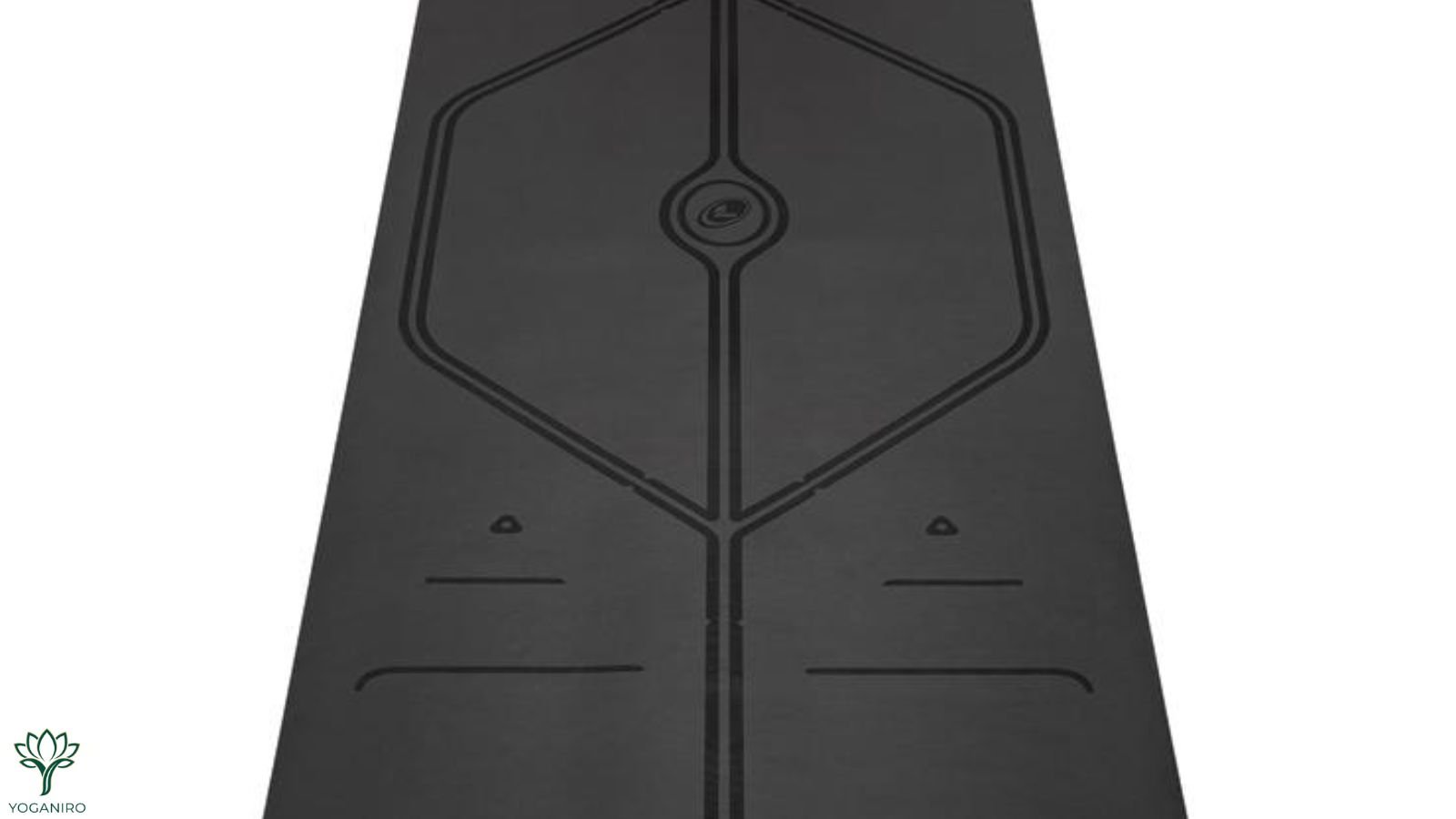
For hot yoga, look for a mat that grips when wet — and both the Liforme Classic ($165) and the Jade Harmony ($109.95) are built for that. The Liforme Classic pairs sustainably sourced natural rubber with an eco-polyurethane top, and its printed alignment lines help you place your hands and feet with confidence. The Jade Harmony, made of natural rubber, is widely praised for a locked-in feel, almost like tiny suction cups under the palms.
The differences are personal. The Liforme runs slimmer at around 4.2 mm, so it’s lighter but less cushioned. The Jade sits near 4.75 mm with a spongier feel, though it carries a rubber scent early on and contains latex, which matters if you have an allergy. Both are premium buys. For sweaty palms specifically, this pair leads the non-slip category.
Best eco-friendly and cork yoga mat: 42 Birds “The Robin”
The 42 Birds “The Robin” ($92, or $108 for the extra-long version) is our pick for the best cork yoga mat, with a 100% sustainable cork top over a cushioned base. Cork offers a smooth surface with natural antimicrobial properties, and at roughly 1.9 pounds it’s light enough to carry without much thought.
Here’s a clear brand point of view. If eco-friendly materials matter to you, cork and FSC-certified natural rubber are among the most satisfying choices available, and mats like the Suga (made from recycled wetsuits) push that ethic further. One care note worth knowing: cork mats are generally best rolled with the cork facing outward, since bending them the other way can crack the surface over time.
Best travel yoga mat: Manduka eKO Superlite
The Manduka eKO Superlite ($54) is our pick for the best travel yoga mat, a 1.5 mm natural rubber mat that folds into a suitcase without a permanent crease. It’s known for keeping surprising grip for something so thin. You give up cushioning entirely, so treat it as a companion mat rather than your everyday one.
In practice, a mat like this shines when you layer it over a hotel gym’s tired foam mat for instant grip. Just don’t expect knee comfort — pair it with a folded towel for any floor work.
Which yoga mat is right for your style?
The best yoga mats for your practice depend on how you move, so match the mat to your practice rather than chasing a single “best” label.If you’re still weighing different yoga styles, that’s the place to start, and the right choice becomes clearer from there.
For vinyasa and ashtanga, a thinner, denser, grippy mat around 4 mm to 5 mm helps you stay stable through fast transitions and inversions. For yin and restorative yoga, more cushioning — 5 mm to 6 mm — tends to feel better, since you hold yin yoga poses for minutes at a time. For hot yoga and other sweaty, dynamic styles, prioritize a surface that grips when wet over one that’s simply thick.
Two quick scenarios. If you practice on hardwood, going thicker protects your joints. If you cross-train with Pilates or bodyweight work, a firm, reversible mat with a stable ground feel usually serves you better than a soft one. And if your knees complain, a dense 6 mm mat is often a better answer than the softest one on the shelf.
How thick should a yoga mat be?
For most people, the best yoga mats are about 3 mm to 6 mm thick, with the right number depending on your joints and your style.with the right number depending on your joints and your style. Around 4 mm to 5 mm gives a good balance of stability and comfort for daily practice. Choose 6 mm or more if you have sensitive knees or wrists, or you practice long, floor-based sessions. Drop to around 1.5 mm only for travel, where portability outweighs cushioning. Remember that a dense mat often feels more supportive than a thick, soft one.
Are expensive yoga mats worth it?
Expensive yoga mats are often worth it if you practice regularly, because a premium mat can last for years while a cheap one may wear out within months. The value isn’t the logo. It’s the durability, the consistent grip, and the joint support that hold up over hundreds of sessions. A $144 Manduka PRO spread over a decade costs less per year than replacing a $30 foam mat annually. If you practice once a month, a budget mat is usually plenty. If you’re on the mat several times a week, a premium mat tends to be the better long-term buy.
How do I clean and care for a yoga mat?
Clean your yoga mat by wiping it down after each practice and giving it a deeper wash every week or two. Use a soft cloth with water and a little mild soap, or a diluted vinegar spray, then let it air-dry fully before rolling. Avoid soaking natural rubber or cork, and skip harsh chemicals that break down the surface. Regular care noticeably extends a mat’s lifespan. Keep any mat out of direct sun, which can degrade rubber and fade color.
Frequently asked questions
What thickness yoga mat is best for beginners? A 4 mm to 5 mm mat suits most beginners, because it balances cushioning with stability. Thinner mats can feel unstable for new practitioners, while very thick ones make balancing harder. If you have sensitive knees, choose closer to 6 mm and add a folded blanket under the knees when needed.
What is the best yoga mat material? Natural rubber is favored for grip, PVC for durability, and cork for an eco-friendly, low-maintenance surface. There’s no single winner. Choose natural rubber for traction, dense PVC for a long-lasting mat, and cork or TPE if non-toxic materials and lighter weight matter most to you.
How long does a good yoga mat last? It varies widely. A quality PVC or natural rubber mat can last several years with proper care, while budget foam mats often show wear within 6 to 12 months, according to instructors quoted by outlets like Reviewed. Frequency of use, material, and cleaning habits all affect lifespan.
Is a cheap yoga mat good enough for beginners? A cheap yoga mat is fine for beginners who practice occasionally, though it won’t grip or last like a premium mat. Foam mats around $30 are a low-risk way to start. If you find yourself practicing several times a week, upgrading to a denser rubber or PVC mat improves grip and joint support.
Can you machine-wash a yoga mat? Most yoga mats should not be machine-washed, since the agitation can damage rubber, cork, or foam. Hand-wipe the surface with mild soap and water, then air-dry. A few microfiber-topped mats are machine-washable, so always check the manufacturer’s instructions first to protect the material and grip.
Trusted resources
Johns Hopkins Medicine — 9 Benefits of Yoga — hopkinsmedicine.org
National Center for Complementary and Integrative Health (NCCIH) — 5 Things You Should Know About Yoga — nccih.nih.gov
Arthritis Foundation — Top 5 Yoga Myths Debunked — arthritis.org
Manduka — PRO Lifetime Guarantee — manduka.com
Liforme — Classic Yoga Mat materials — liforme.com
42 Birds — The Robin cork mat specs — 42birds.com
Evaluation of antimicrobial properties of cork (peer-reviewed) — pubmed.ncbi.nlm.nih.gov
OEKO-TEX — Standard 100 certification — oeko-tex.com
Forest Stewardship Council (FSC) — Certified Natural Rubber — fsc.org
Final thoughts
The best yoga mat is the one that disappears beneath you, so you can forget the floor and stay with your breath. For most practitioners, the Manduka PRO earns that role through durability and a sturdy foundation for any practice. If grip is your priority, the Jade Harmony and Liforme Classic are hard to beat. On a budget, the Gaiam Premium is an honest, comfortable place to begin.
Here’s our real advice. Buy for the practice you actually have, not the one you imagine. A dense 5 mm mat you love will outlast several trendy ones you merely tolerate. Choose thoughtfully once, care for it well, and it will meet you on the floor for years — a small, quiet luxury in every stretch.

Yoganiro was founded by Abdul Rehman with a passion for yoga, wellness, and mindful living. The goal behind Yoganiro is to inspire people through simple yoga practices, wellness tips, and healthy lifestyle content that promotes balance, peace, and overall well-being.